Community Advocates Take Center Stage in Olympia, Calling for Systemic Justice Reform
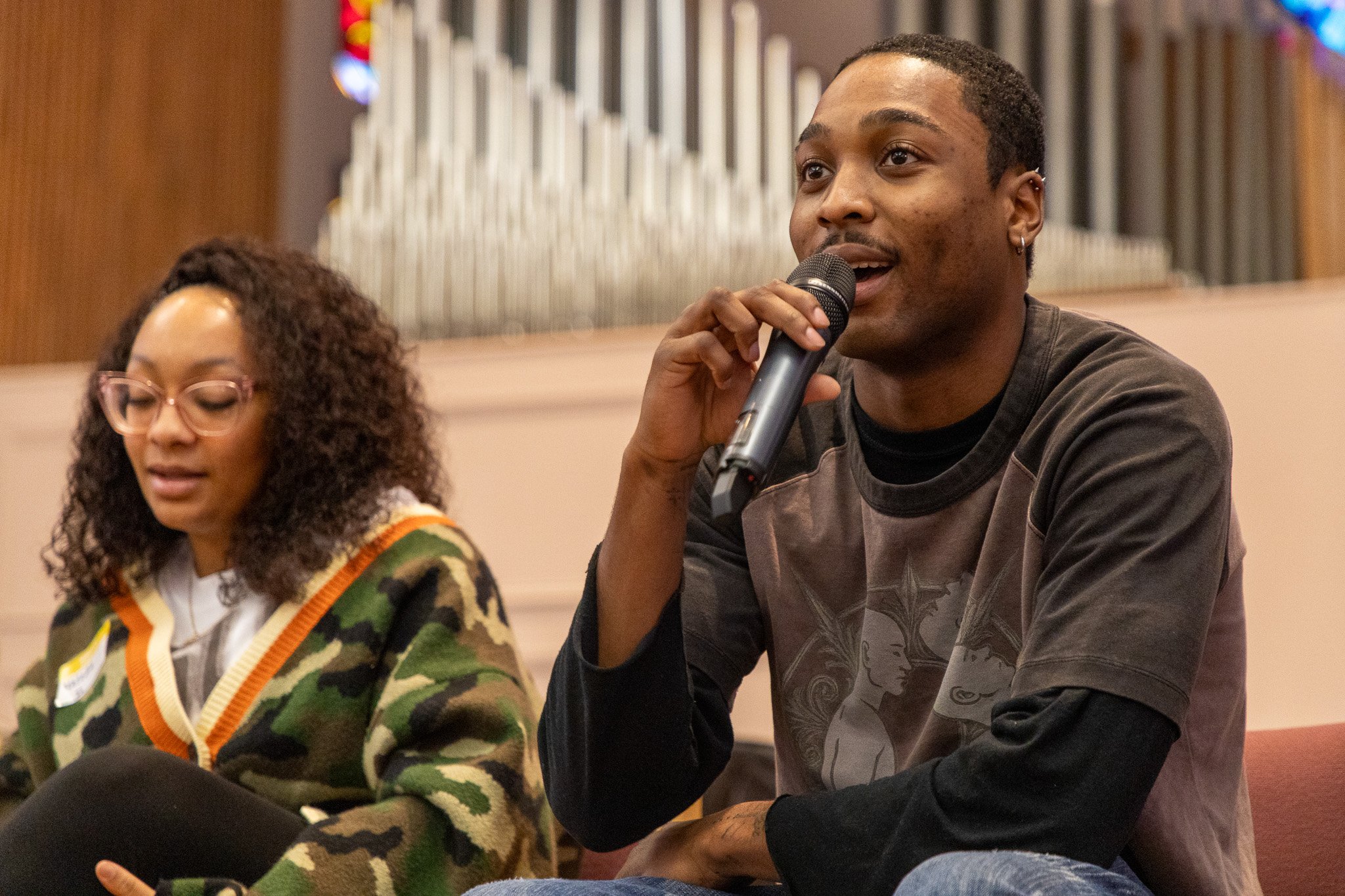
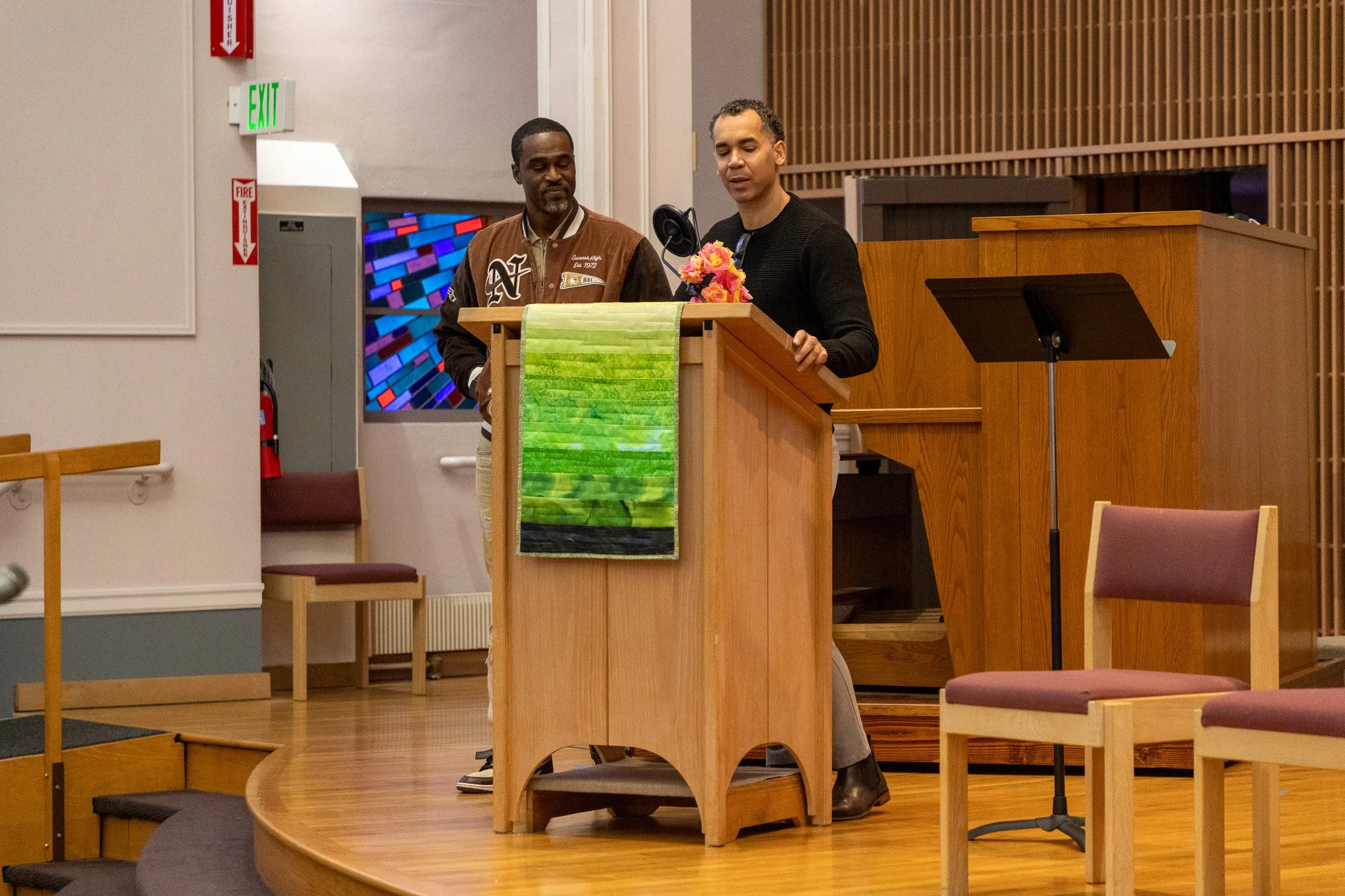
Anthony Blankenship speaks at United Churches of Olympia on Criminal Justice Advocacy Day on Monday. (Photo: Erik Kalligraphy)
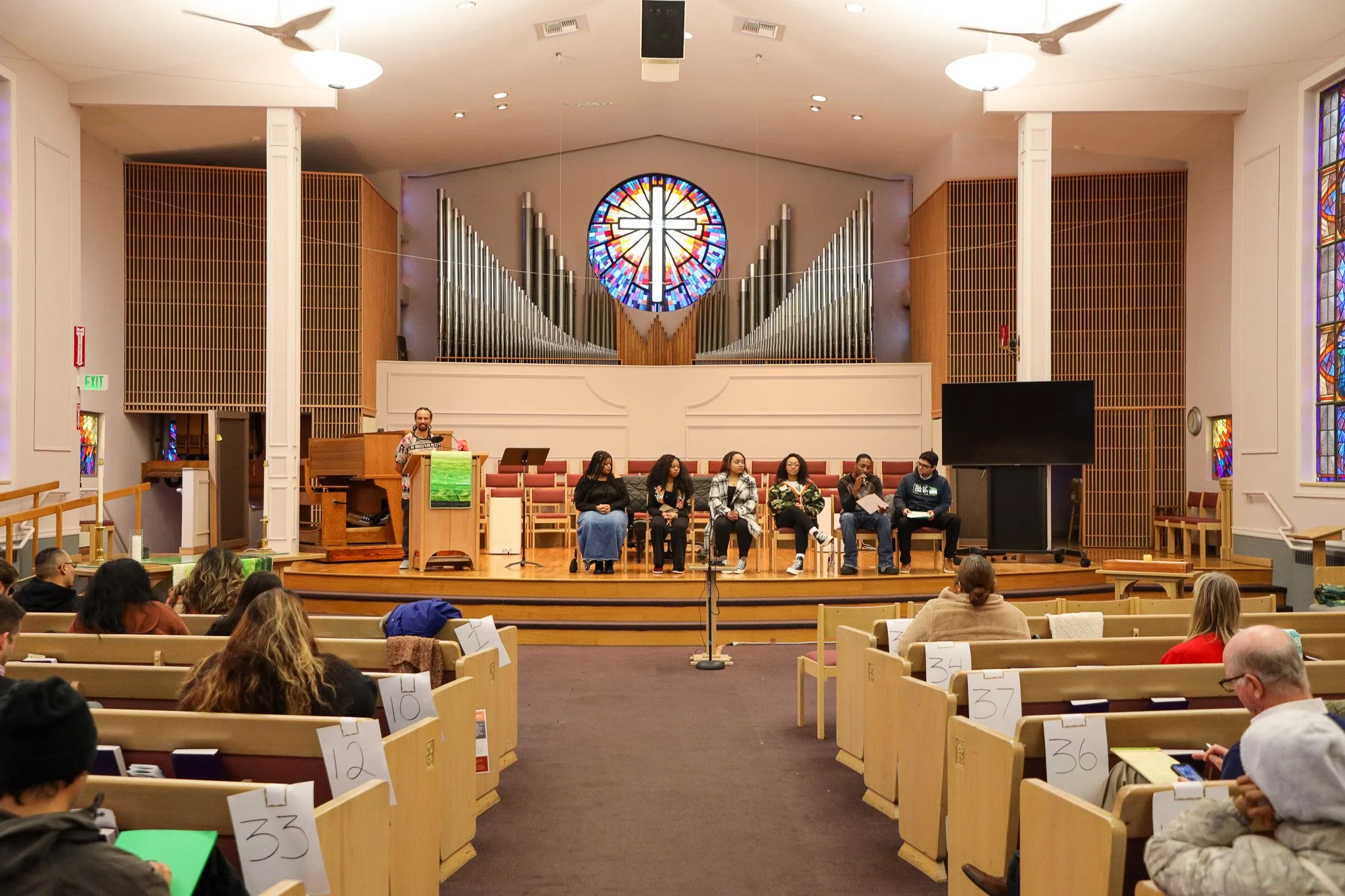
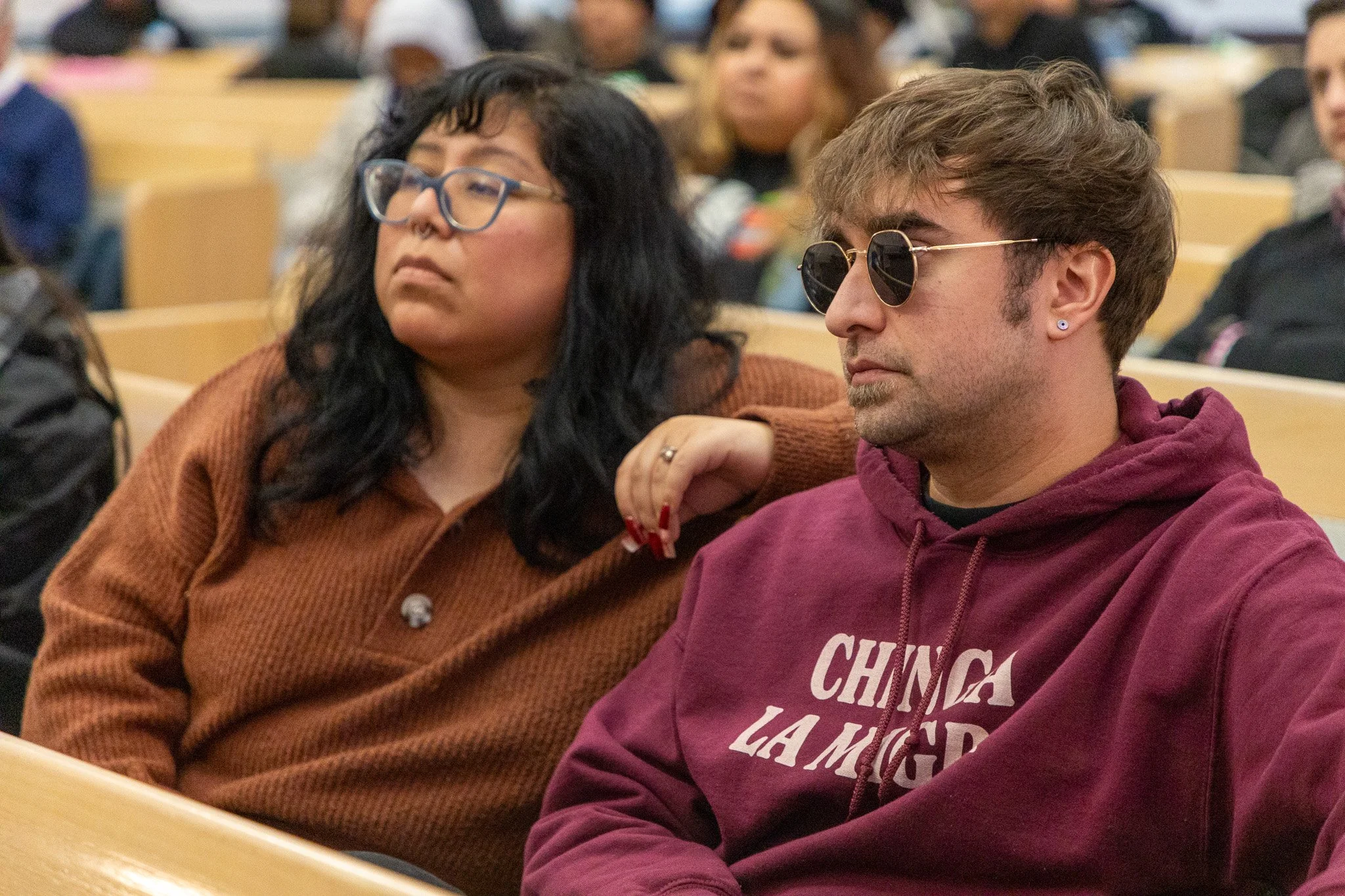
Advocacy for sweeping criminal justice and social change reached the steps of the Washington State Capitol in Olympia on Criminal Justice Advocacy Day earlier this week. The event brought together a collection of community organizations, dedicated advocates, and youth leaders to center the push for systemic reform around the people most impacted by current laws.
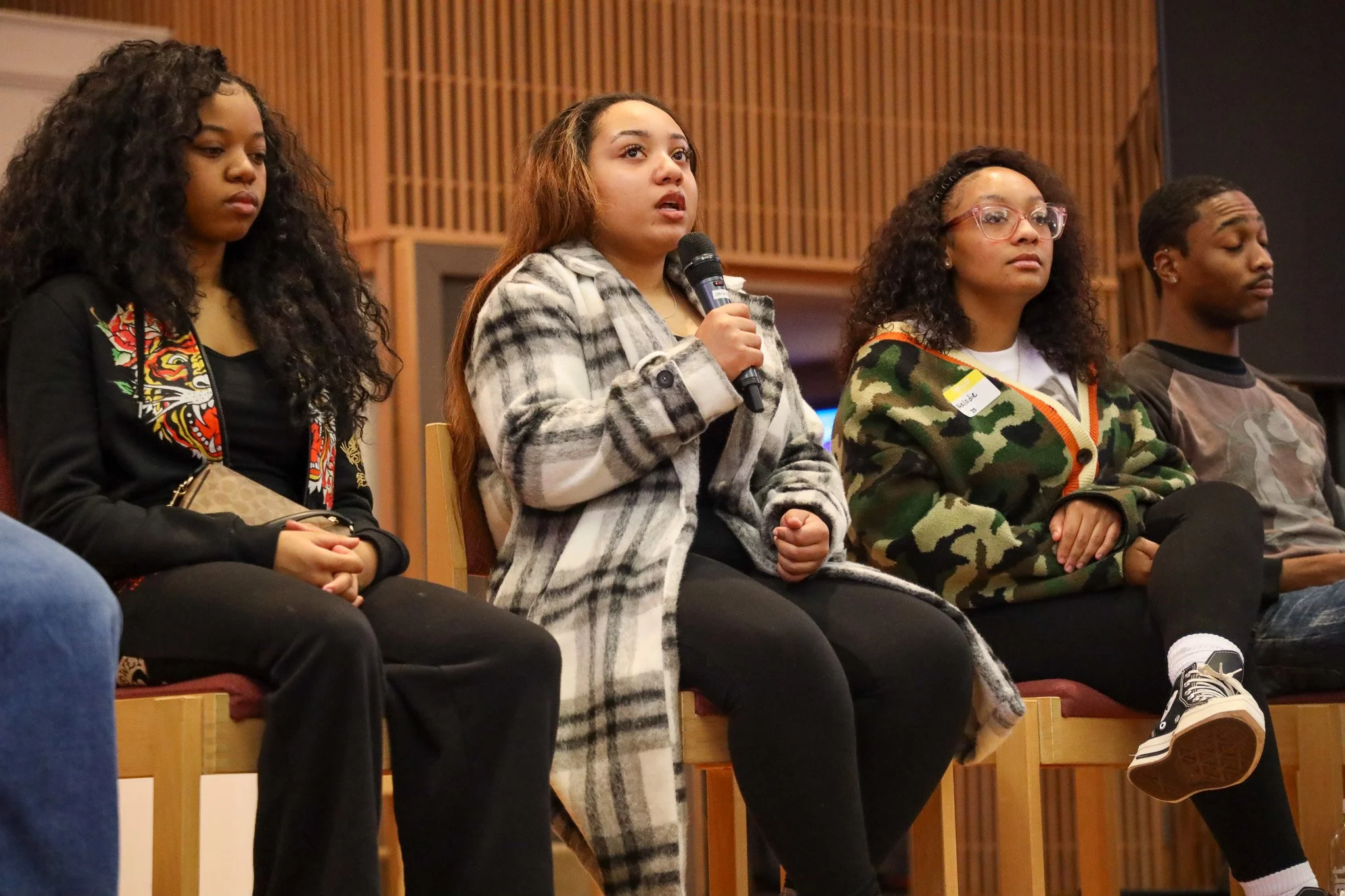
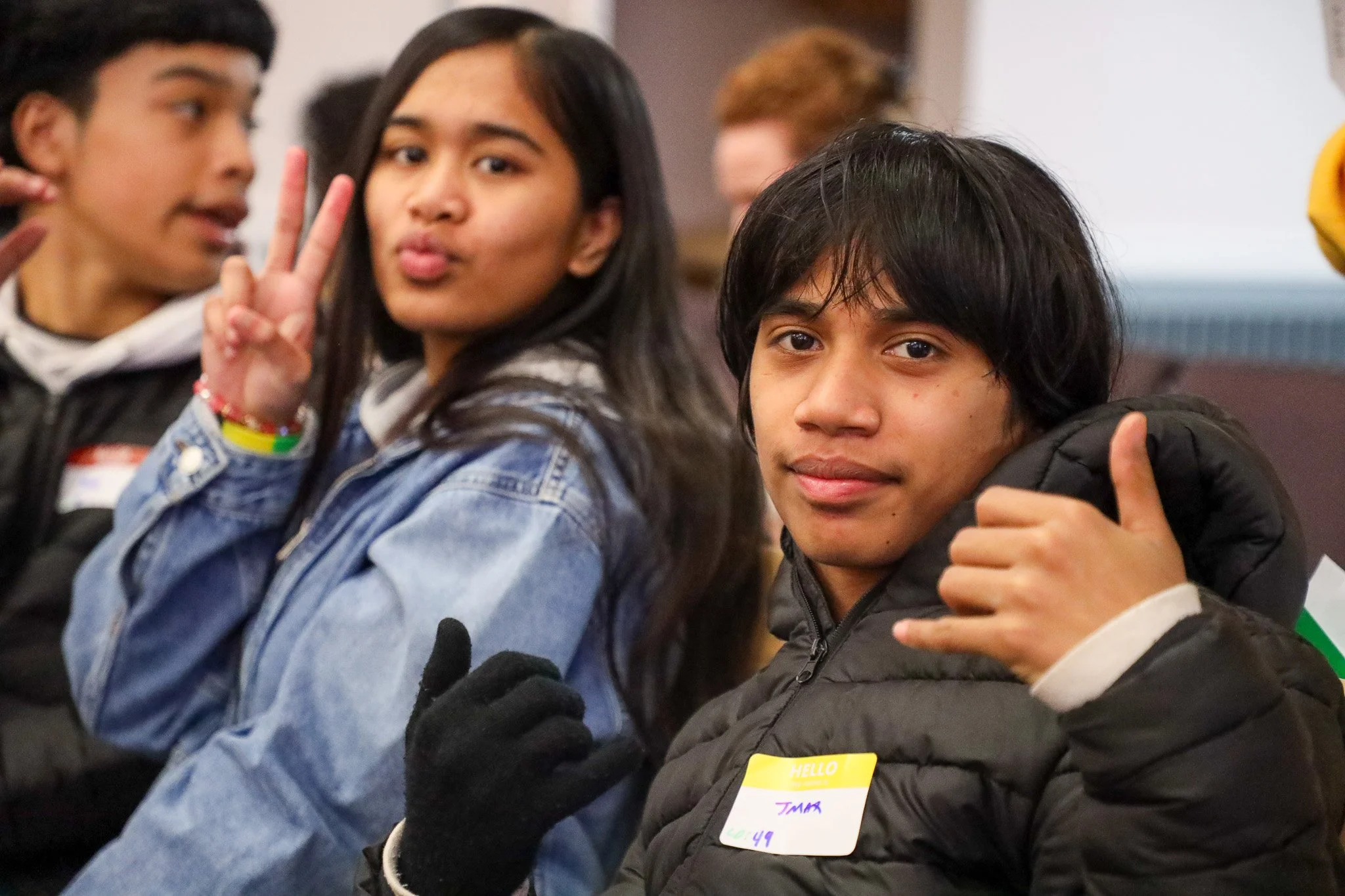
Held at United Churches of Olympia, the gathering championed significant criminal justice reform, democracy reform, and a general dismantling of systems of oppression. A main focus was youth civic engagement, with groups like the Freedom Project bringing young people to learn about the legislative process and stay politically engaged.
Communications Director for the Office of Equity TraeAnna Holiday, highlighted the importance of the legislative session as a bridge between government and community.
“What's great about the legislative session is you see a lot of community advocacy, community organizing working to make sure that legislators are aware of the work that's happening on the ground and the bills that need to get passed,” she said.
Several specific policy efforts drove the conversations:
The Ebony Alert: A push for a bill similar to the Amber Alert, but specifically for Black women due to the disproportionate rate of unreported missing persons.
Retroactivity: Advocacy for bills, such as the juvenile points bill, to be applied retroactively. This is to ensure individuals who suffered harm prior to the bill's passage can still receive the relief and benefit from new, more equitable laws. Thomas Hill, a Care Coordinator with the Freedom Project, explained that without retroactivity, newly passed laws intended to correct historical harms "fail to help those already harmed."
Re-entry Legal Aid Funding: A drive to maintain and protect funding for legal aid that assists individuals in vacating criminal records and obtaining Blake refunds (compensation for unconstitutional drug possession convictions).
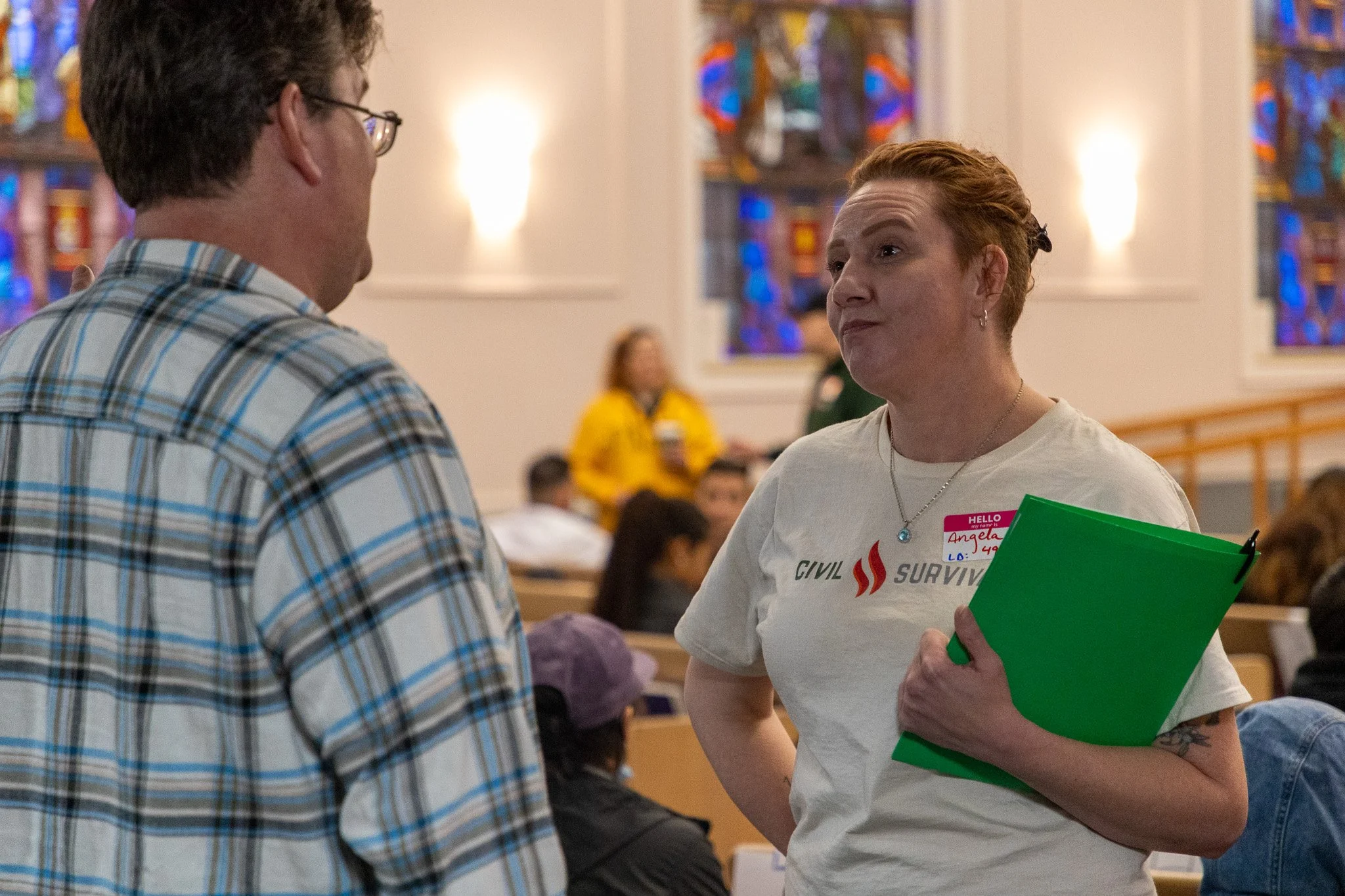
Senior Community Organizer for Civil Survival Anthony Blankenship expressed the urgency of the issues. He put Civil Survival's work on re-entry legal aid, vacating criminal records, and advocating for policy change against a staggering backdrop.
“We have 100,000 people who are cycling through our jail system every single year,” he said, sharing that the number of Washingtonians with convictions is approaching two million. Blankenship emphasized that with so many Washingtonians impacted by the system, legislators must listen to lived experiences to inform policy.
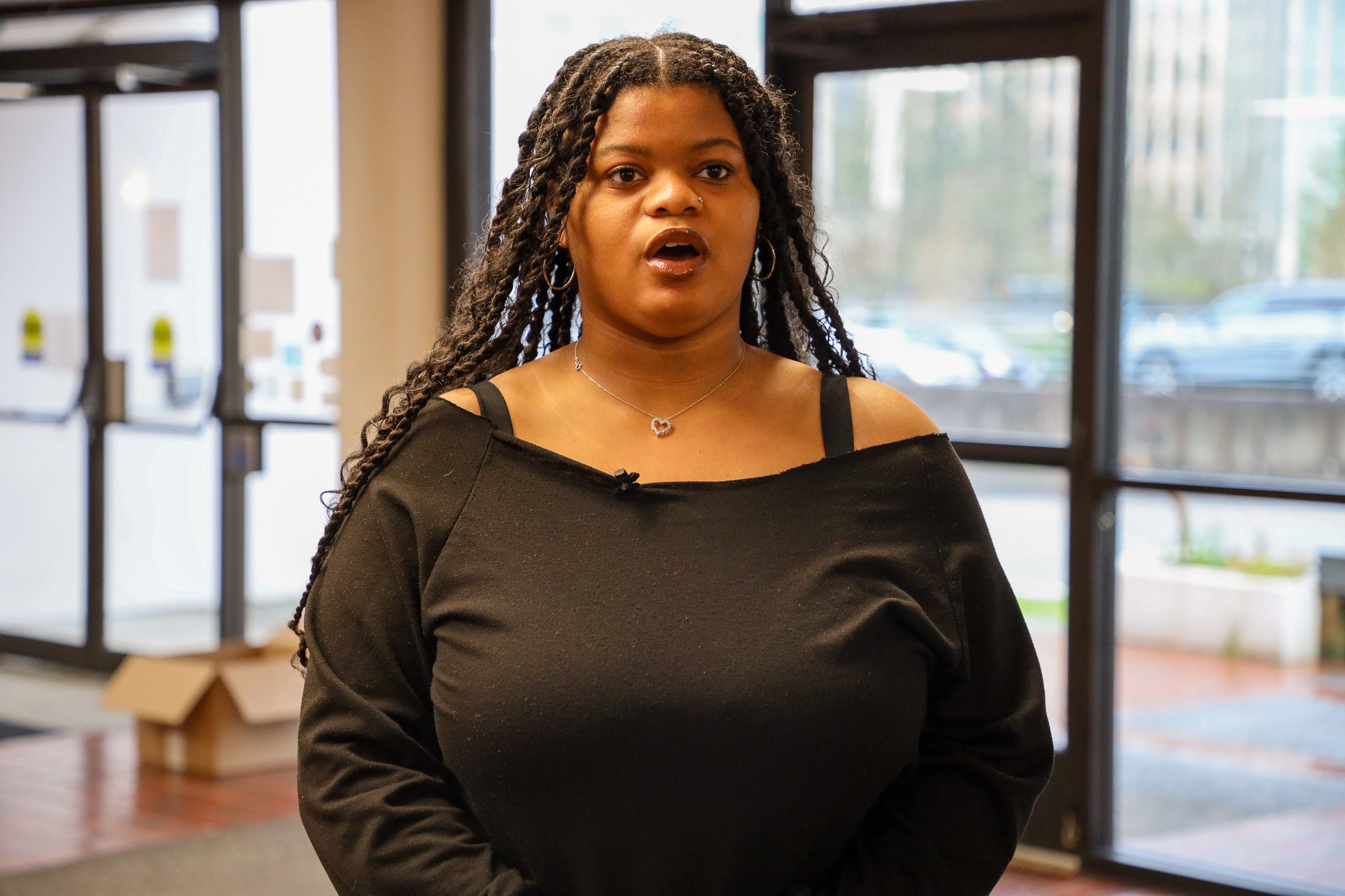
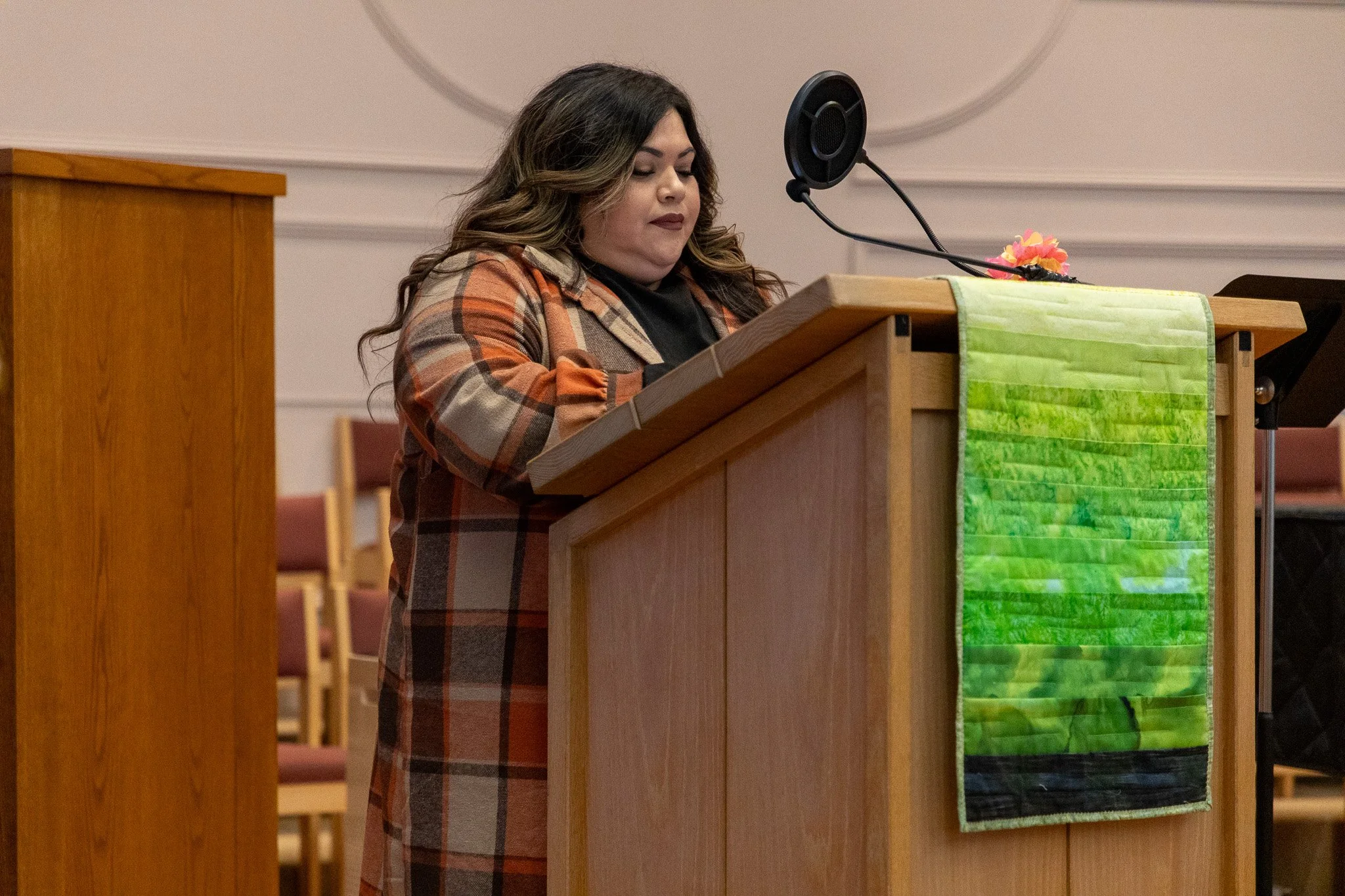
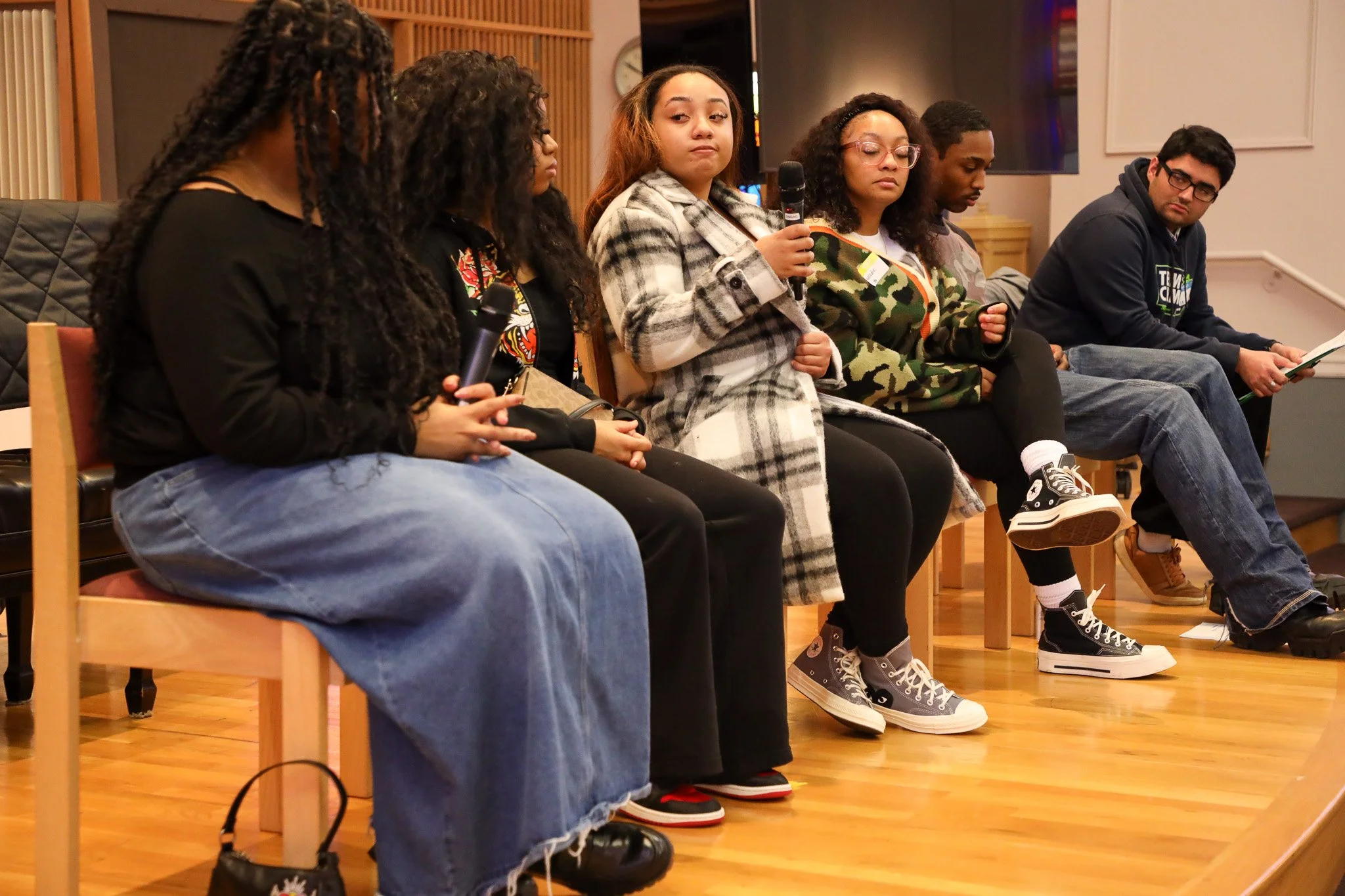
Harmonie White speaks at United Churches of Olympia on Criminal Justice Advocacy Day on Monday. (Photo: Erik Kalligraphy)
The necessity of sharing personal narratives was articulated by Harmonie White, a 16-year-old Youth Leader with the Freedom Project. Drawing on her own experience with an incarcerated father, White spoke to the challenge of a parent who is absent for key life moments.
“It's never your fault for the things that people have done in the past,” she said, adding that true strength comes from “talking about the problem rather than trying to hide from it.”
The day highlighted that the fight for systemic change is driven by the lived experiences of those most impacted, with a focus on empowering youth to break cycles of injustice and hold political leaders accountable.
The advocates made clear that the fight is not just for future laws, but for justice for the past.

Do you support independent Black Media? Then consider donating to Converge and supporting our mission here.