Living the Social Gospel: Dr. Lora-Ellen McKinney Reflects on the Legacy of Rev. Dr. Samuel B. McKinney
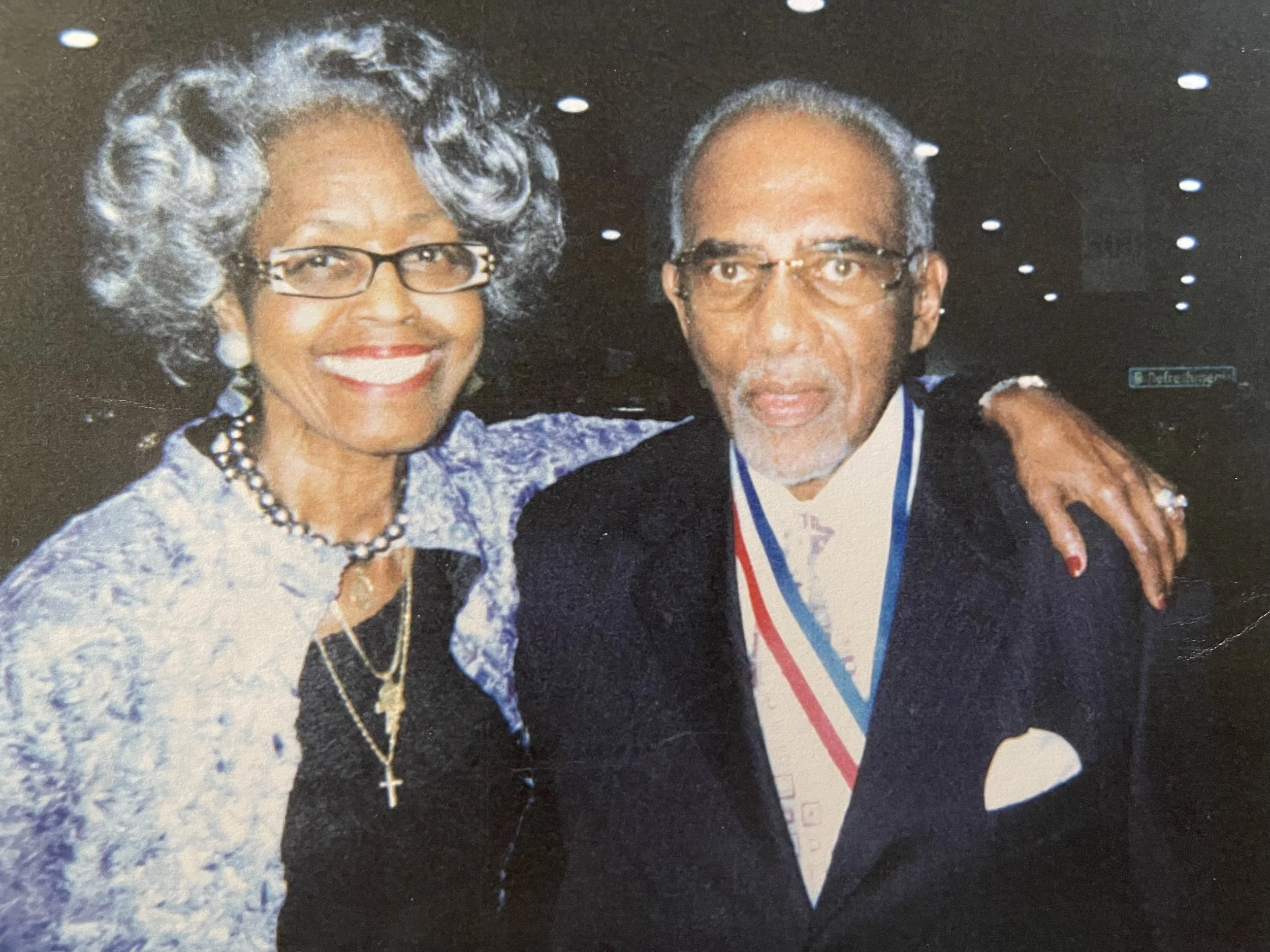
Dr. Lora-Ellen McKinney (left) stands next to Rev. Dr. Samuel B. McKinney (right) as he is honored by the Hampton Minister’s Conference. (Photo courtesy of Lora-Ellen McKinney)
Across decades of social change, civil rights activism, and community leadership, few family histories mirror the arc of Black history in America quite like that of Dr. Lora-Ellen McKinney and her father, the late Reverend Dr. Samuel B. McKinney.
Reflecting on what would have been her father’s 100th birthday this December, Dr. Lora-Ellen McKinney shared an intimate look into her father’s life, his impact on the Pacific Northwest, and how a family tradition of excellence and service continues to shape her own work today.
A Lineage Built on Education and Social Action
To understand Rev. Dr. Samuel B. McKinney, one must look at the generations that preceded him. Born in Flint, Michigan, on December 28, 1926, Samuel was raised by parents whose values were deeply rooted in high expectations, education, and community self-reliance.
"My fathers’ parents' histories are important... my great-grandfather was an enslaved person... born into slavery in 1845,” Lora-Ellen said.
According to Lora-Ellen, Samuel’s father, Rev. Wade Hampton McKinney Jr., rose from humble origins as a sharecropper with a fifth-grade education to attend Morehouse College, earn a seminary degree, and complete a doctorate, eventually becoming pastor of Cleveland’s largest Black church. From his father, Samuel learned what it meant to put community resources together in the face of systemic barriers.
"Those things got started and remain—the Black hospital, the Black pharmacy," Lora-Ellen said. "My father learned that kind of thing."
Raised by parents who "believed in the promise of education in the promise of democracy,” Samuel grew up expecting not just to succeed individually, but to practice the "social gospel"—a doctrine centered on active service.
"[The doctrine] does what Jesus did," Lora-Ellen said. "If someone's hungry, you feed them. If they're naked, you clothe them. If they're in prison, you visit them. But not only do you visit them, you try to help craft a society where they're not likely to go."
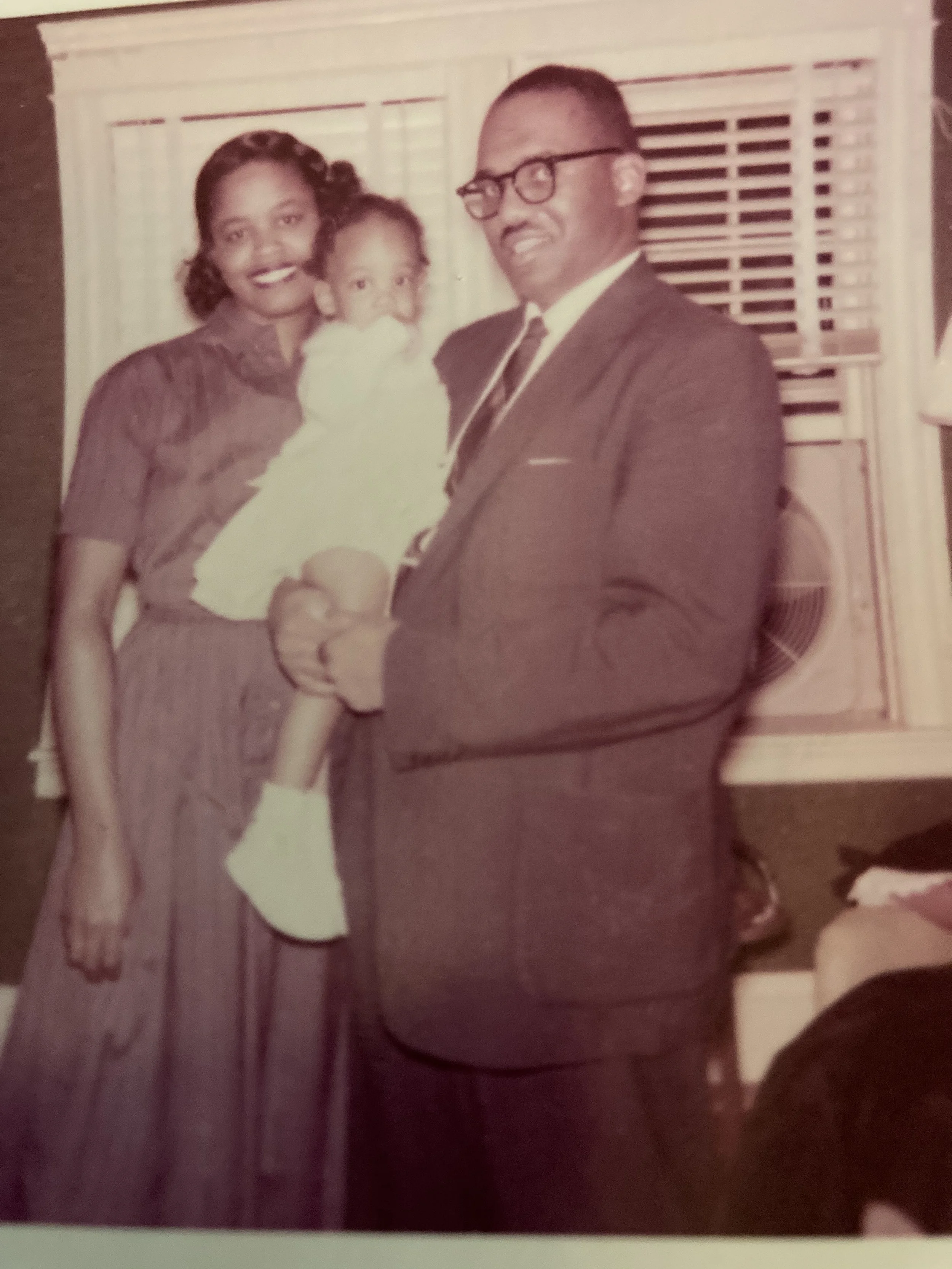
Rev. Dr. Samuel B. McKinney (left) holds Lora-Ellen McKinney (right) in Providence, Rhode Island. (Photo courtesy of Lora-Ellen McKinney)
A Destiny Forged Alongside Civil Rights Leaders
Samuel’s path was intertwined with key moments and figures of the Civil Rights Movement. He formed a childhood friendship with Dr. Martin Luther King Jr. through their fathers, both prominent Baptist ministers. They reconnected at Morehouse College in Atlanta and remained lifelong friends.
According to Lora-Ellen, when Dexter Avenue Baptist Church in Montgomery, Alabama was searching for a new pastor, the position was first offered to Samuel McKinney. He turned it down, recognizing that as a Midwesterner, he might not be the right fit to navigate the specific local dynamics of the South at that crucial moment. The position ultimately went to Dr. King, launching King’s pivotal role in the Montgomery bus boycott.
McKinney instead moved West, answering the call in 1958 to become senior pastor at Mount Zion Baptist Church in Seattle, where he would serve for decades as King's key lieutenant in the Pacific Northwest.
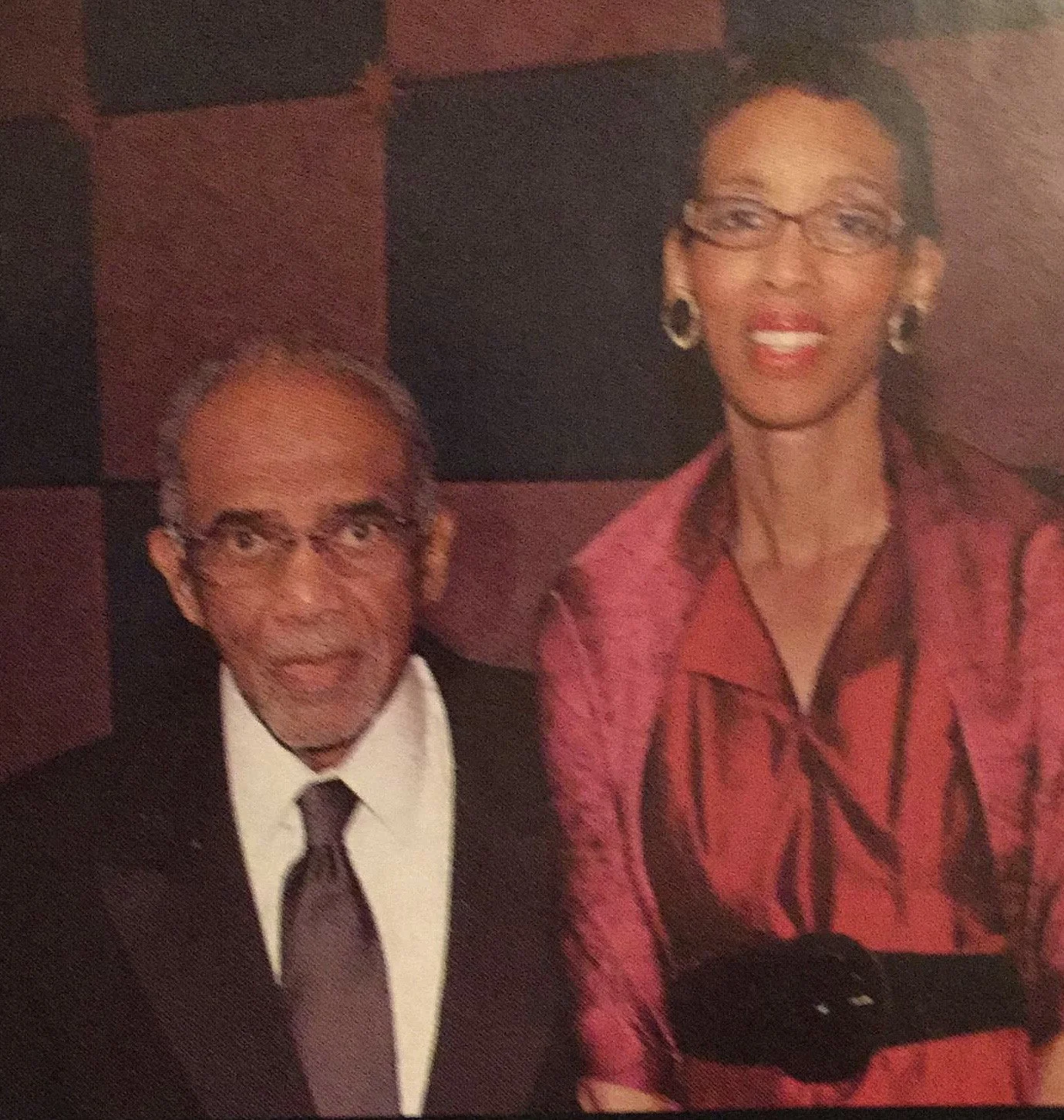
Dr. Lora-Ellen McKinney (left) and Rev. Dr. Samuel B. McKinney (right) sell their books at the Christian Education Conference of the National Baptist Convention. (Photo courtesy of Lora-Ellen McKinney)
Fighting Racism in the Pacific Northwest
Upon arriving in Seattle, the McKinney family encountered racial discrimination that was often hidden behind a polite veneer. "People had this expectation that you're here in Seattle... there's no racism here," Lora-Ellen said. "There was plenty. It just looked different."
From challenging housing segregation and redlining when purchasing their family home in Seattle’s Madrona neighborhood to helping lead legal battles against segregated cemeteries, Rev. McKinney was at the forefront of local civil rights struggles, according to Lore-Ellen. His advocacy came at a personal cost: the family home was subject to wiretaps by law enforcement, and bodyguards were a frequent presence during Lora-Ellen's childhood, she said.
Carrying the Legacy Forward
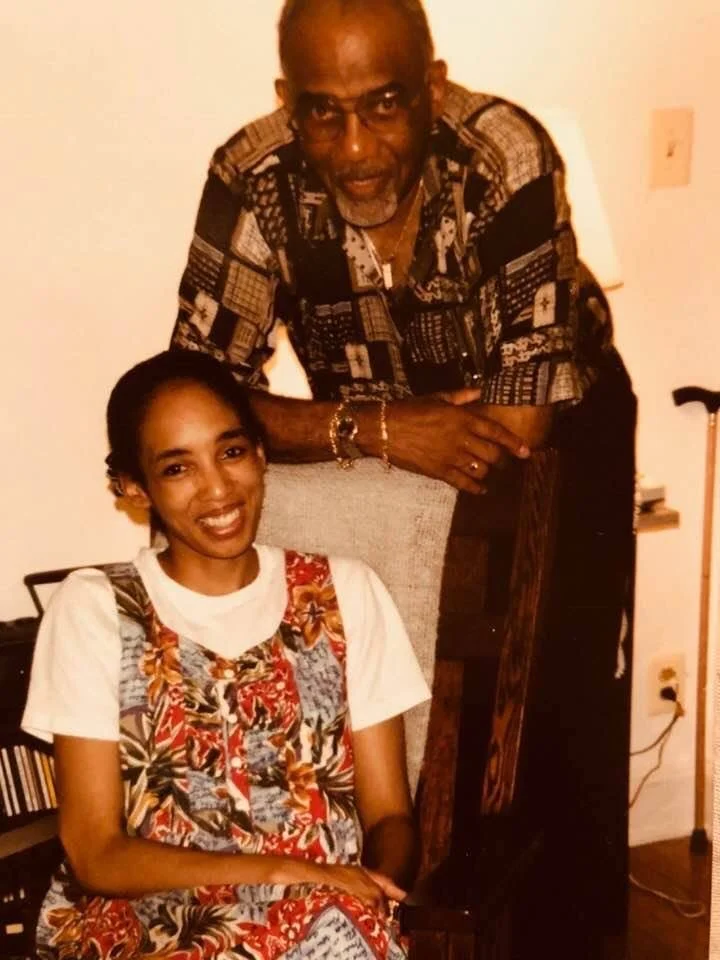
Today, Dr. Lora-Ellen McKinney continues to preserve and build upon her family's rich history. As an author, chief creative of Cedar River Creative Productions, and founder and board president of the McKinney Legacy Foundation, she is actively archiving her father’s extensive papers and historical items for institutions including the Library of Congress, the Smithsonian, and local archives across the nation.
Through public history, creative arts, and continuous advocacy, Lora-Ellen keeps the central lesson of her family alive.
"Whatever your gift is... you have to share it... because you have a short life and you don't need to waste it not being your best, and not doing your best,” she said.
The year-long centennial celebration of Rev. Dr. Samuel B. McKinney’s birth will culminate on December 11 at Seattle’s Town Hall with a world-premiere performance of a Kwanzaa Cantata, composed by Dr. Dave Ragland with a libretto written by Dr. Lora-Ellen McKinney herself. Learn more at mckinneylegacy.org
Looking to book a space for your upcoming event? Check out Colman Commons for all your event space needs at colmancommons.com