Mother’s Justice Show: What Social Housing Could Mean for Seattle’s Working Families
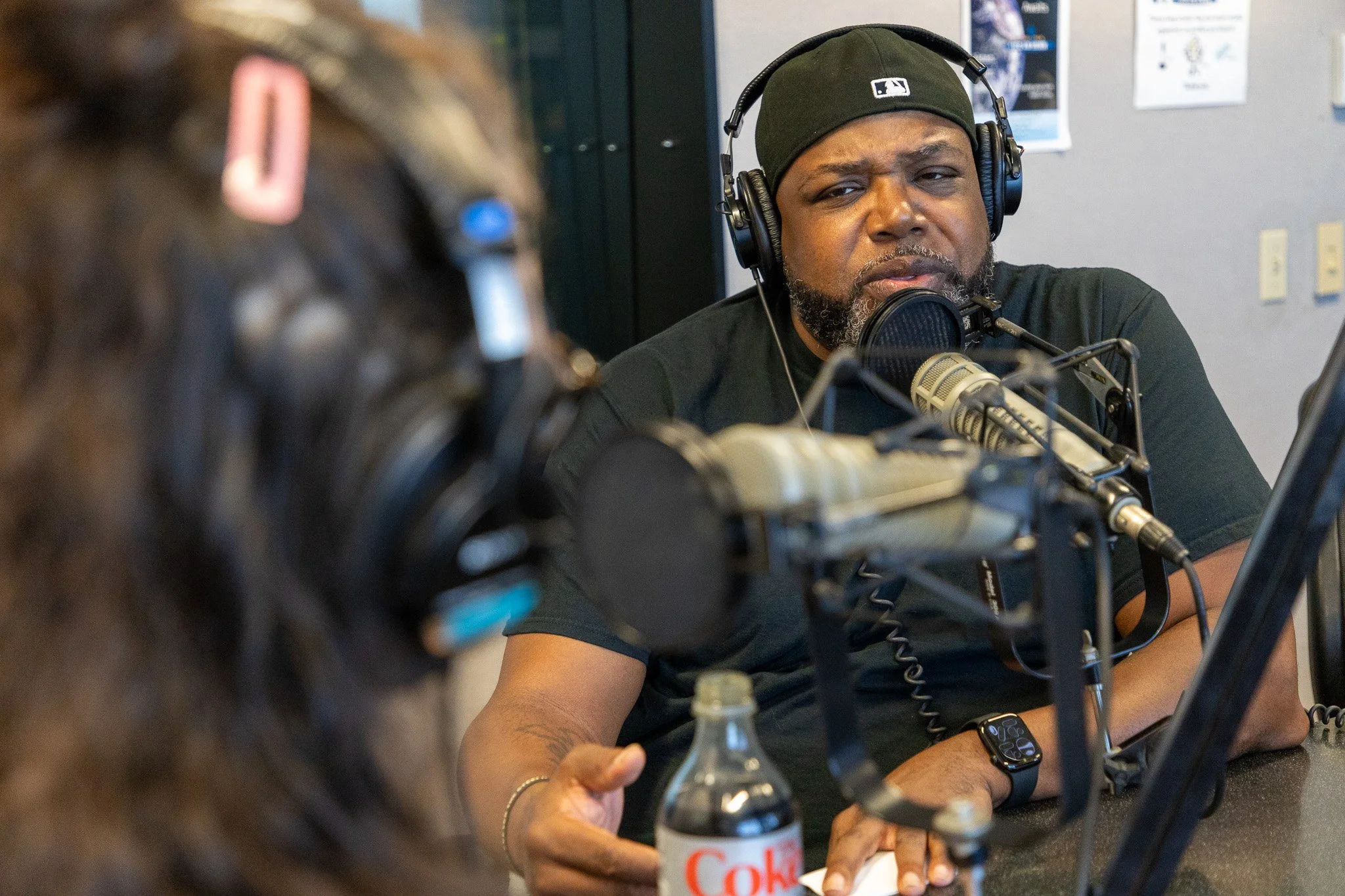
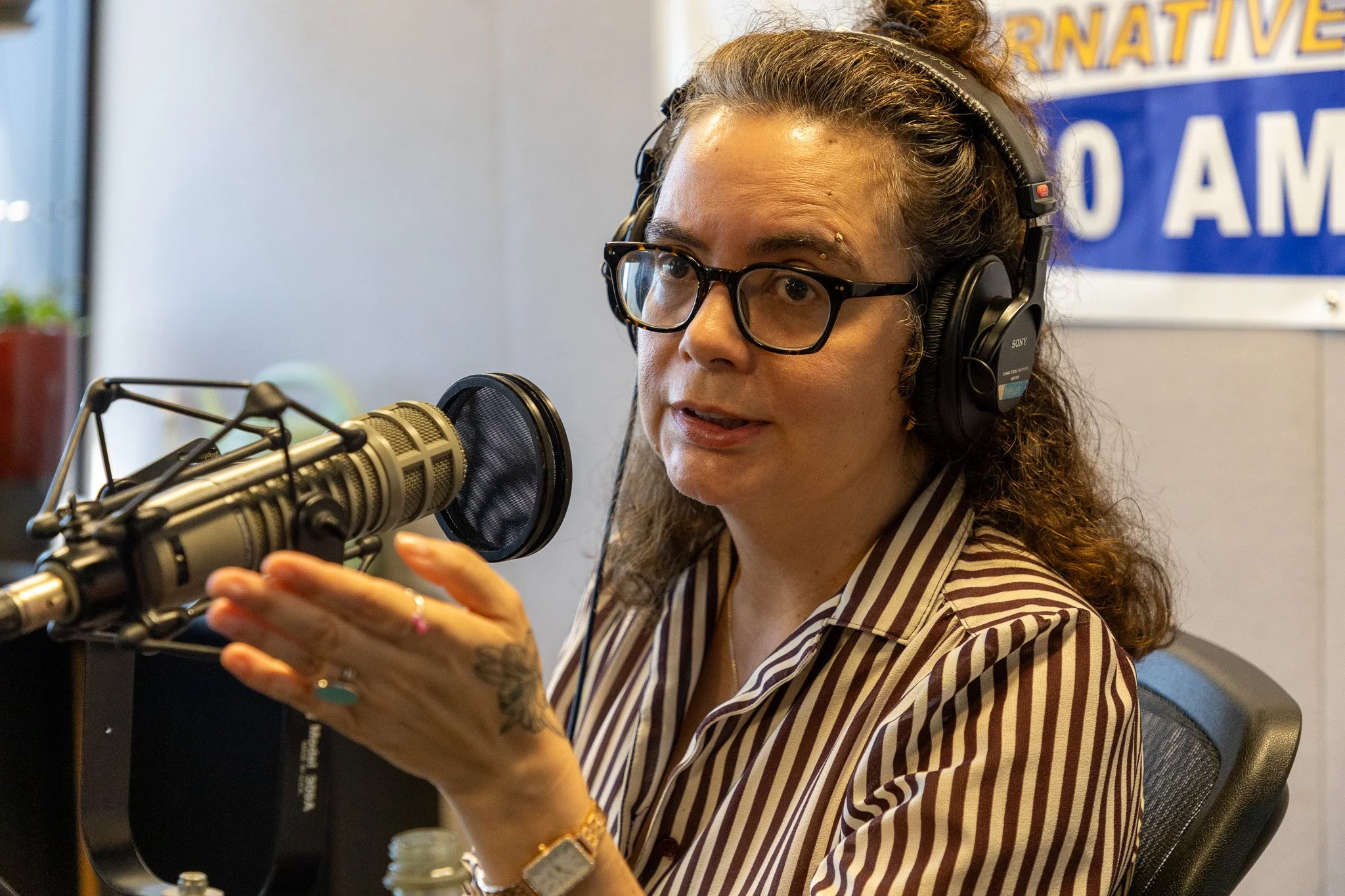
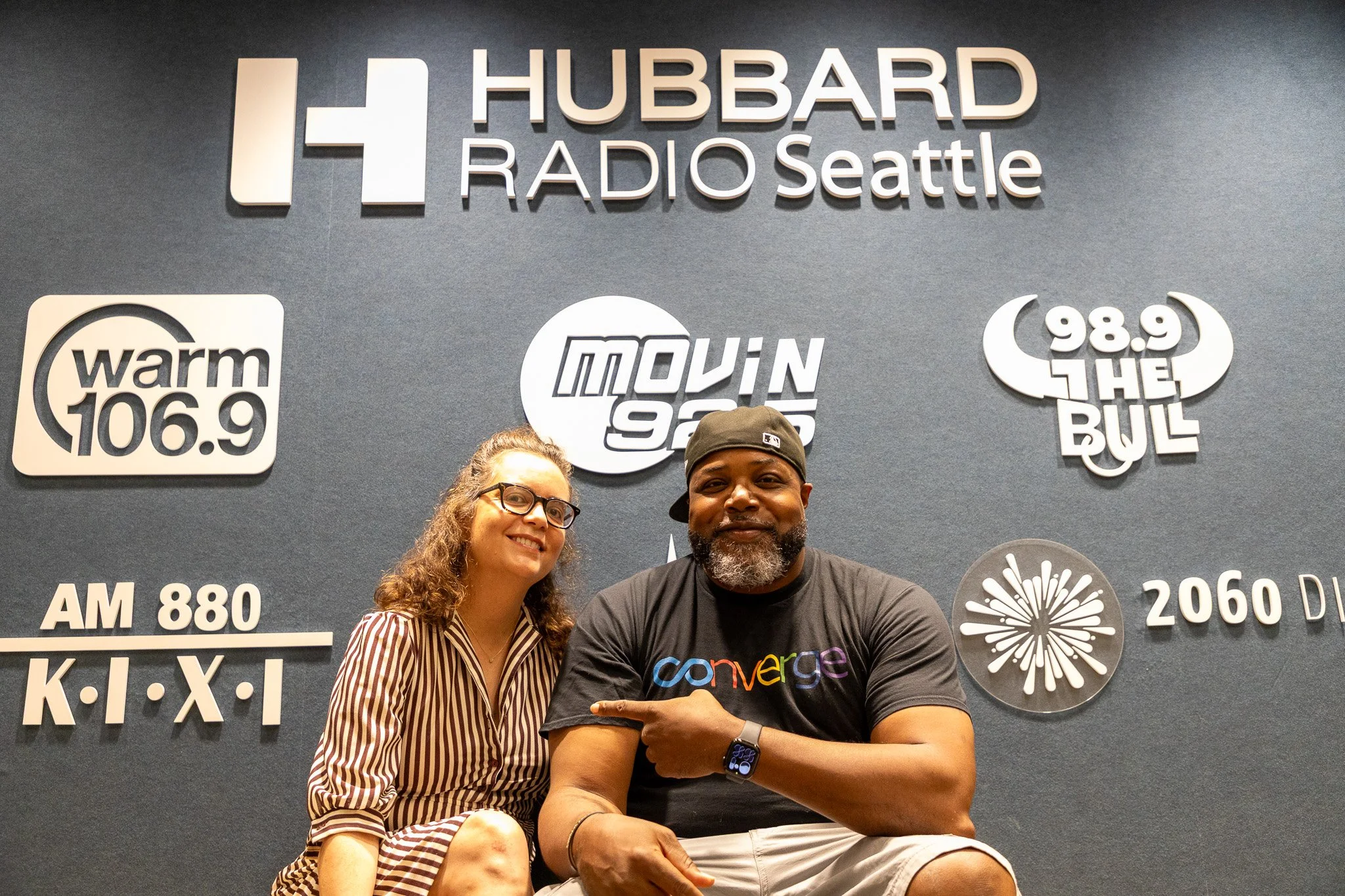
Lilly Ana Fowler from the Seattle Social Housing Developer was my guest on the Mother’s Justice Show this week. (Photo: Erik Kalligraphy)
By Omari Salisbury
On this week’s Mother’s Justice Show on KKNW 1150AM, I sat in for my mom, Rev. Harriett Walden, and we dug into an issue that sits right at the intersection of justice, survival, and dignity in Seattle: housing.
My guest was Lilly Ana Fowler, Director of Communications and Public Relations for the Seattle Social Housing Developer – the new public development authority charged with bringing a different kind of housing model to the city. If you’ve been hearing about “social housing,” “Elara at the Market,” or that big new tax on high earners and wondering what it all really means, this episode was for you.
Below is a deeper dive into what we covered.
A City Coming Off a Big Juneteenth Weekend
We opened the show talking about how powerful this year’s Juneteenth weekend was across the region:
Freedom Festival at Jimi Hendrix Park
Afrotown Community Land Trust events
FIFA World Cup watch parties all over Seattle and Tacoma
Local Juneteenth celebrations in places like Kent
The Mariners honoring our brother Deaunte Damper during their Juneteenth game
Seattle doesn’t always go all in, but when it does, it shows out. This weekend, from downtown to the neighborhoods, Black joy, culture, and community were front and center.
That same spirit of community set the stage for our conversation about housing – because freedom is not real if people can’t afford a safe, stable place to live.

Who Is Seattle Social Housing Developer?
Lilly brought her own receipts into the studio:
Longtime journalist and UW journalism lecturer
Former producer/project manager at KEXP
Former social justice reporter at KNKX, where she was part of an Edward R. Murrow Award–winning team
Now, she’s helping tell the story for the Seattle Social Housing Developer, a public development authority born out of grassroots organizing by House Our Neighbors and Real Change.
The idea came from a simple but radical question:
What’s missing from Seattle’s housing landscape – and what can we learn from places that have actually solved this at scale?
Organizers looked abroad, especially to Vienna, where publicly owned, permanently affordable housing serves a huge portion of residents. They also studied other models in the U.S., including in Maryland.
Voters in Seattle answered twice:
2023 special election – approved creating the social housing developer (a PDA).
2024 special election – approved a tax on very high earners paid by employers, not individual workers.
That tax is simple on paper:
Companies pay 5% on salaries above $1 million
The original estimate was about $50 million a year
The first year came in at roughly $133 million
That’s a serious pot of money – and a serious responsibility.
“Who’s Watching the Money?”
We pressed into a question a lot of folks are asking: Who’s making sure this money is handled right?
Lilly explained that:
The developer has a CFO and a growing team focused on tight financial controls
They undergo audits at both the city and state level
They are independent from the city but still coordinate with the mayor and city council
Their board meetings are public, and they regularly present financials
Former Mayor Bruce Harrell was initially hesitant and pushed for a more modest funding option (the competing tax proposal), but voters went with the more ambitious version. Even so, the city loaned the developer $2 million to get started until tax revenues arrived.
Eyes are on them, and Lilly is clear: they should be under scrutiny. It’s public money for a public mission.
Why Buy First, Not Build?
A lot of people heard “social housing” and imagined cranes going up all over town. But the developer’s first major move was buying a building, not building from scratch.
The reasons:
Permitting in Seattle is slow and complex – any new construction is years out
They’re negotiating with unions to ensure union labor on construction
New construction sites are in the works, but realistically nothing will open before 2028
Right now, in the downtown market, prices on buildings are down, and there’s an opportunity to buy quality properties at a discount
That combination led to their headline-making purchase:
Elara at the Market: “Luxury” for Working People
The developer’s first acquisition is Elara at the Market, an apartment building just steps from Pike Place Market and the new Waterfront Park.
Critics have called it a “luxury building.” Lilly pushes back a bit:
It’s nice, yes – rooftop deck with BBQs, gym, bike storage, high-quality finishes
But the true “luxury” is the location and the idea that working-class people, not just tech money, can live there
Here’s what’s changing under public ownership:
The building is shifting from a private asset to public ownership
For existing tenants:
Two-year rent freeze
Removal of “RUBS” and junk fees (like certain utility and bike storage fees)
Strong anti-displacement stance – they are not trying to push people out
For new tenants at the lowest income tier, studios start around $665/month
The response? Over 10,000 applications for the first round, with about 7,000 of those from people at or below 50% of Area Median Income (AMI).
To put that in perspective:
AMI in Seattle is high because of tech wages
50% AMI is roughly around $60,000 a year for a household
In this city, that income can still leave you one missed paycheck away from crisis
What Is – and Isn’t – Social Housing in Seattle?
One of the most important clarifications we made on air:
Seattle Social Housing Developer is not a supportive housing provider.
They do not provide direct services like substance use treatment or case management
This is not a housing-first program for chronically unhoused neighbors
Tenants must pay rent and show basic ability to cover it (roughly 2.5x the rent)
They run a sex offender check and look at some payment history, but there’s no credit score requirement and it’s designed to be low-barrier
Instead, this model targets a wide range of working-class and low-income people who are being squeezed out of the city:
Artists, culture workers, nonprofit staff, service workers
Journalists, teachers, and folks in similar professions
People juggling bills, skipping meals, or declining invites because they can’t afford a happy hour
We talked about how poverty in Seattle is often disguised. People are:
Three or four months behind on utilities
Dodging City Light shutoff notices (white, then yellow, then red envelopes)
Couch-surfing from house to house
Shopping thrift and still showing up sharp and presentable
As we said on air: Seattle has a lot of people starving extravagantly.
Mixed-Income by Design
One of the core principles of social housing is mixed-income communities:
Units are reserved across the spectrum, from very low income (30% AMI) up to 120% AMI and above
Higher-income residents pay more, helping to cross-subsidize the rents of lower-income tenants
People who start at a lower rent and then get a promotion or raise don’t get kicked out – their rent may go up, but they can stay
This is intentionally not the old “projects” model where poverty is isolated in one place and wealth in another.
But that raises real questions:
What happens when wealthier residents don’t actually want to live around poor folks?
How do we unlearn the idea that poor neighbors are a problem to be managed, not people to be in community with?
Lilly’s response was clear:
“What is so scary about poor people? Being poor is not a crime.”
Our conversation kept coming back to that – to the idea that people deserve nice things, including a view of the water, a short walk to the Market, and a safe, dignified home.
Governance, Justice, and Community Standards
We also touched on how the building will be governed:
Nikkita Oliver is helping lead the development of resident governance policies
The model will incorporate restorative justice, not just punishment and eviction
There will be clear guidelines and steps to correct behavior that doesn’t align with community standards
So yes, you still have to pay your rent and respect your neighbors. But the goal is to create a community, not just a stack of units.
Looking Ahead: Vienna and Beyond
Later this year, Lilly and others from the developer, along with House Our Neighbors and some legislators, will travel to Vienna to study its social housing model up close:
Meeting with city leaders, researchers, and residents
Examining how Vienna has sustained large-scale, publicly owned, permanently affordable housing for decades
Identifying what can realistically be adapted to Seattle’s context, where the politics, demographics, and scale are different
We talked honestly about the limits of copying Europe. Seattle is not Vienna. The U.S. is not Austria. But there are lessons in scale, permanence, and political will that could matter here.
The Next Five Years
Lilly laid out some concrete goals for the Seattle Social Housing Developer:
Within the next five years, they aim to:
Acquire at least 1,000 units of existing housing
Build more than 600 new units of social housing
Grow a portfolio of mixed-income, permanently affordable homes across the city
Ten years out, they’re talking about several thousand units under public ownership.
That’s not a full solution to Seattle’s housing crisis – but it’s a new tool with real scale and long-term vision.
Why This Matters for Our Community
For Black Seattle, for working-class Seattle, for artists, educators, service workers, and everyday people just trying to hang on in the city they helped build, the stakes are high.
We’ve already lived through one era of “public housing” being sold off – Yesler Terrace, Rainier Vista, Holly Park – and watched families pushed out to South King County and beyond.
Social housing, done right, is a chance to:
Reverse some of that displacement
Keep people close to jobs, culture, transit, and community
Prove that public ownership and mixed-income living can deliver stability and dignity at scale
The question now is whether Seattle has the patience, political courage, and community oversight to see this model through.
Stay Connected
To track what the Seattle Social Housing Developer is doing next – including more acquisitions, new construction announcements, and that Vienna trip – you can:
Visit seattlesocialhousing.org and sign up for their newsletter
Follow them on Instagram, BlueSky, and LinkedIn
And of course, keep it locked with us:
Mother’s Justice Show airs every Monday at 2pm on KKNW 1150AM
I’m at @OmariSal across social platforms
Tap in with Converge Media at WhereWeConverge.com
We’ll keep bringing you these conversations – from Juneteenth celebrations to housing justice and everything in between – because our stories, our struggles, and our solutions deserve to be front and center.