Restorative Justice Advocate Rami El Gharib Pioneers Healing for Crime Survivors and Marginalized Communities
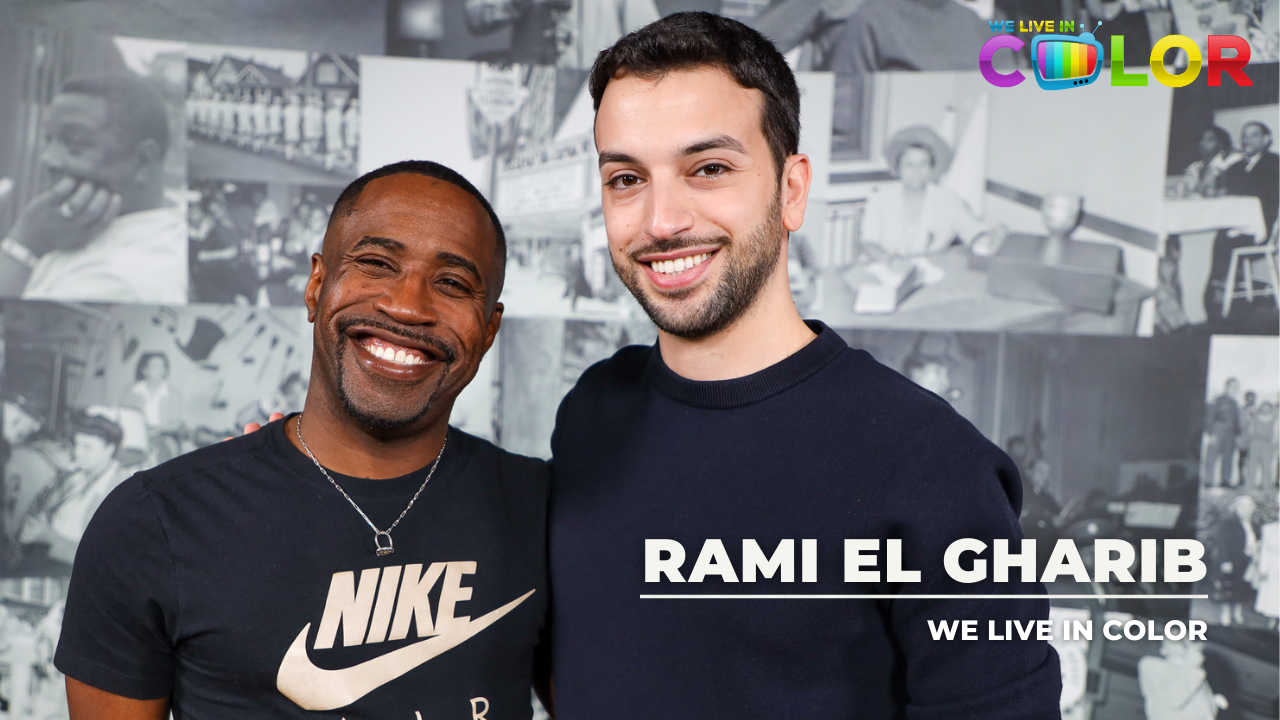
On a recent episode of “We Live In Color,” Rami El Gharib, a community healer and restorative justice advocate, sat down with host Deaunte Damper to discuss elevating justice systems to support marginalized voices and crime survivors.
Born and raised in Beirut, Lebanon, El Gharib moved to the United States in 2018, bringing a perspective shaped by a culture he said often uses joy as a shield against trauma.
"People... masquerade that with a lot of... laughing and smiling," he said, attributing this pattern to the historical hurt and conflict in the region.
His personal journey as a gay man in Lebanon, where identifying as queer is illegal, eventually led him to pursue graduate studies in the U.S. after facing harassment and the threat of raids on LGBTQ+ nonprofits. El Gharib emphasized the role of his parents' eventual acceptance in his journey, stating that "having family support makes all the difference.”
Since arriving in the U.S., El Gharib has pioneered transformative justice initiatives across several states. In Georgia, he developed the first felony diversion program utilizing restorative justice, providing an alternative to mandatory minimum sentences in a state where one in four Black men has a felony record.
"If we're restorative and we provide people with a high level of care and a high level of accountability, we could meet the needs of... a lot of people,” he said.
While living in Colorado, El Gharib founded the nonprofit Restorative Rainbow Alliance to address the needs of queer and trans individuals, creating a code of conduct that the state later adopted. His work continued in King County, Washington, where he organized the first-ever Summit on Crime Survivors to prioritize the voices of those often overlooked by the legal system.
In Seattle, El Gharib remains a vocal advocate for increased government funding for survivor groups, urging elected officials to move beyond performative actions and the difficulty of hearing survivors' stories.
"It's hard for you to listen to them, but these people have lived through them. So, we need to constantly show up for them,” he said, calling for the community to not shy away from holding local leaders accountable.
Watch “We Live In Color” Thursdays at 8 p.m. on all Converge Media streaming platforms.