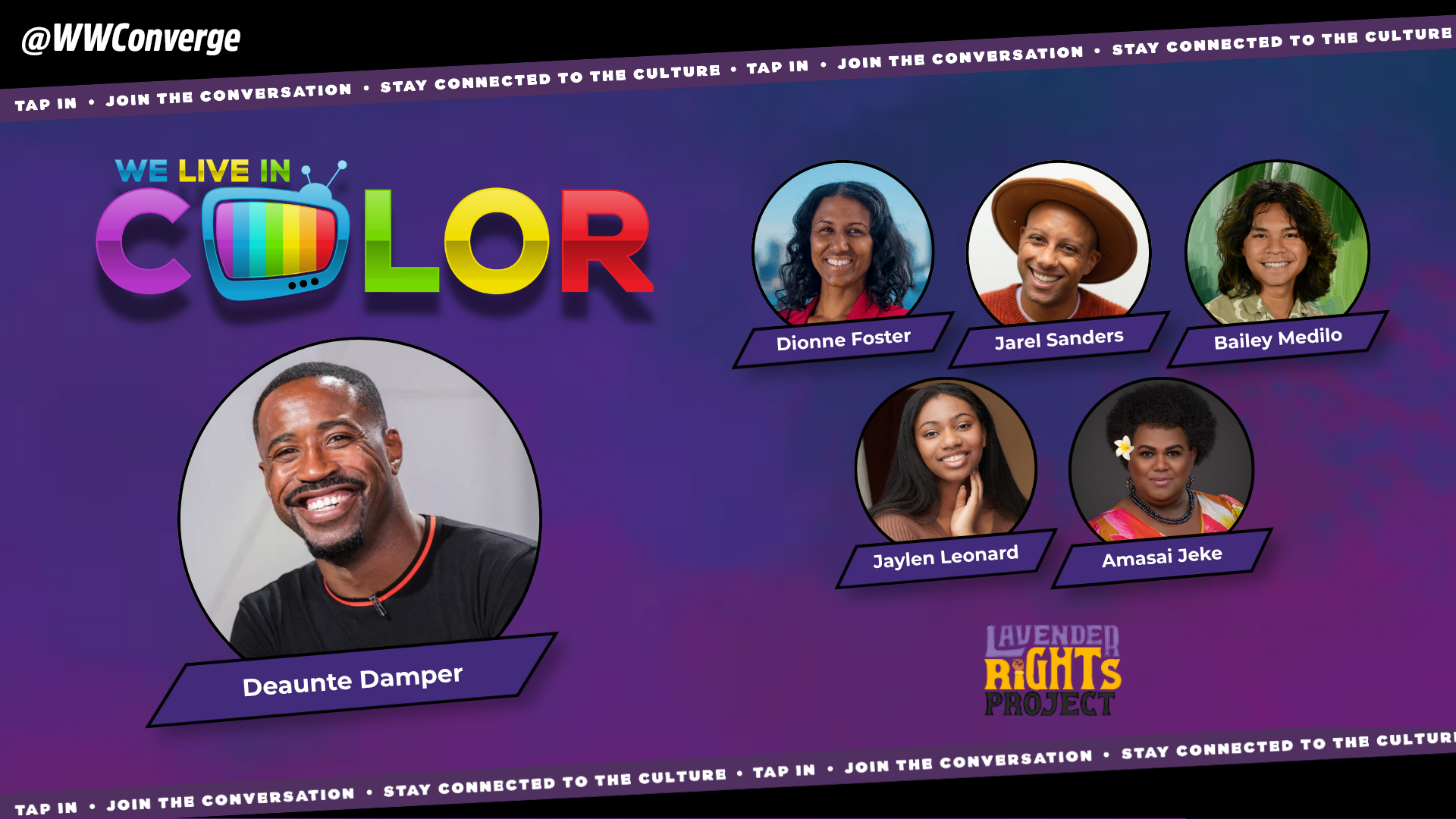
We Live in Color Special: The People, The Policy, The Ballot was sponsored by the Lavender Rights Project.
Ahead of the midterm elections in King County and Washington state on Nov. 3, community advocate Deaunte Damper hosted the We Live in Color Special: The People, The Policy, The Ballot, convening local leaders, organizers, and policy advocates to dissect three key ballot measures: Initiative 645, Initiative 638, and Initiative 001.
Guests highlighted the potential legal, economic, and social consequences these initiatives present to marginalized populations across Washington state, particularly transgender youth.
Economic Debates Surrounding Initiative 645 and The Millionaires Tax
The discussion opened with Initiative 645, a proposal aimed at repealing Washington state’s Millionaires Tax. The tax was originally enacted by the Washington State Legislature to reform what Seattle City Councilmember Dionne Foster called the 49th most regressive tax code in the United States, where lower-income residents disproportionately pay a higher share of their income in taxes.
According to Foster, the policy levies a rate of 9.9% strictly on individual annual income exceeding $1 million, leaving income up to $1 million completely untaxed.
Foster said that repealing the measure would remove an estimated $13 billion in state revenue intended for public K-12 education, child care, healthcare, and higher education. A repeal would also halt scheduled expansions of the Working Families Tax Credit, which provided eligible households an average benefit of approximately $700 in 2025, and eliminate Business and Occupation (B&O) tax relief for small businesses statewide, she said.
Addressing who stands to gain from the repeal, Foster said that "less than 1% of Washington households who would pay this tax" benefit financially.
"If we have a state where we are not investing in public education, we are not investing in child care, we are not making it easier for working families to live here, that's actually going to harm all of us no matter what your income is,” she said.
Youth Advocacy and the Physical Mandates of Initiative 638
Youth sports and bodily autonomy took center stage during a conversation with The Washington Bus representatives Bailey Medilo and Jaylen Leonard. They discussed Initiative 638, which proposes medical and physical gender verification requirements on K–12 student-athletes participating in girls' sports.
Medilo and Leonard said that to comply with the proposed measure, students would be forced to undergo out-of-pocket blood tests at medical facilities or submit to physical genital examinations conducted at schools by designated staff. They said that many students lack health insurance, forcing families to shoulder the expenses themselves.
Medilo criticized the measure's focus, referring to it as the "youth genital exams initiative" and saying that it targets a non-existent crisis while diverting attention from actual school needs.
"When you actually talk to young people on the ground, it's about funding for sports and availability for sports and creating spaces where young people can actually participate and have public life," Medilo said.
Leonard reflected on how these policy debates personally impact young people, saying that such restrictions go beyond targeting trans youth and extend to girls of color and students with disabilities.
"Being a young person in school, I've experienced so much adversity being a tall Black woman in school systems and being accused of something that I wasn't... that brings a lot of shame and unnecessary shame that no one should experience,” Leonard said.
Confidentiality Protections and Initiative 001
Equal Rights Washington Board Chair Jarel Sanders discussed Initiative 001, which seeks to revive the original 2024 Parents’ Bill of Rights (Initiative 2081). If passed, Initiative 001 would allow parents to request their children’s health and counseling files from schools.
Sanders outlined potential safety risks the initiative poses to youth who face unsafe home environments or whose parents may be under investigation for child abuse or neglect. By removing medical and instructional confidentiality between students, teachers, and counselors, the policy eliminates trusted safe spaces within schools, he said.
Human Rights and the Call to Action
Lavender Rights Project Deputy Director Amasai Jeke contextualized the three initiatives as part of a broader, ongoing push that directly impacts the safety and human rights of trans and queer residents across Washington state.
Jeke said that the consequences of these ballot measures extend to basic daily needs, such as healthcare, housing, and personal safety.
"When people cast their vote, it's the lives who are really at stake," Jeke said. "It's every trans person who has to live with the reality that's on the ballot".
The guests unanimously called on eligible voters to submit their ballots before the November deadline and recommended voting "No" on Initiatives 645, 638, and 001. Damper closed the program by reminding viewers of the historical weight and power of the ballot.
"My people did not have a right to vote almost 70 years ago. And because of that, I know I'll be putting my ballot in to make my own decisions, and you should, too,” he said. “Your voice matters.”
Election Day is Tuesday, November 3. Make sure you drop your ballot in an official drop box by 8 p.m. on Election Day.
Looking to book a space for your upcoming event? Check out Colman Commons for all your event space needs at colmancommons.com