Blues and Triumphs in White Spaces: Alicia Crank Explores Black Leadership Fatigue and Future Triumphs
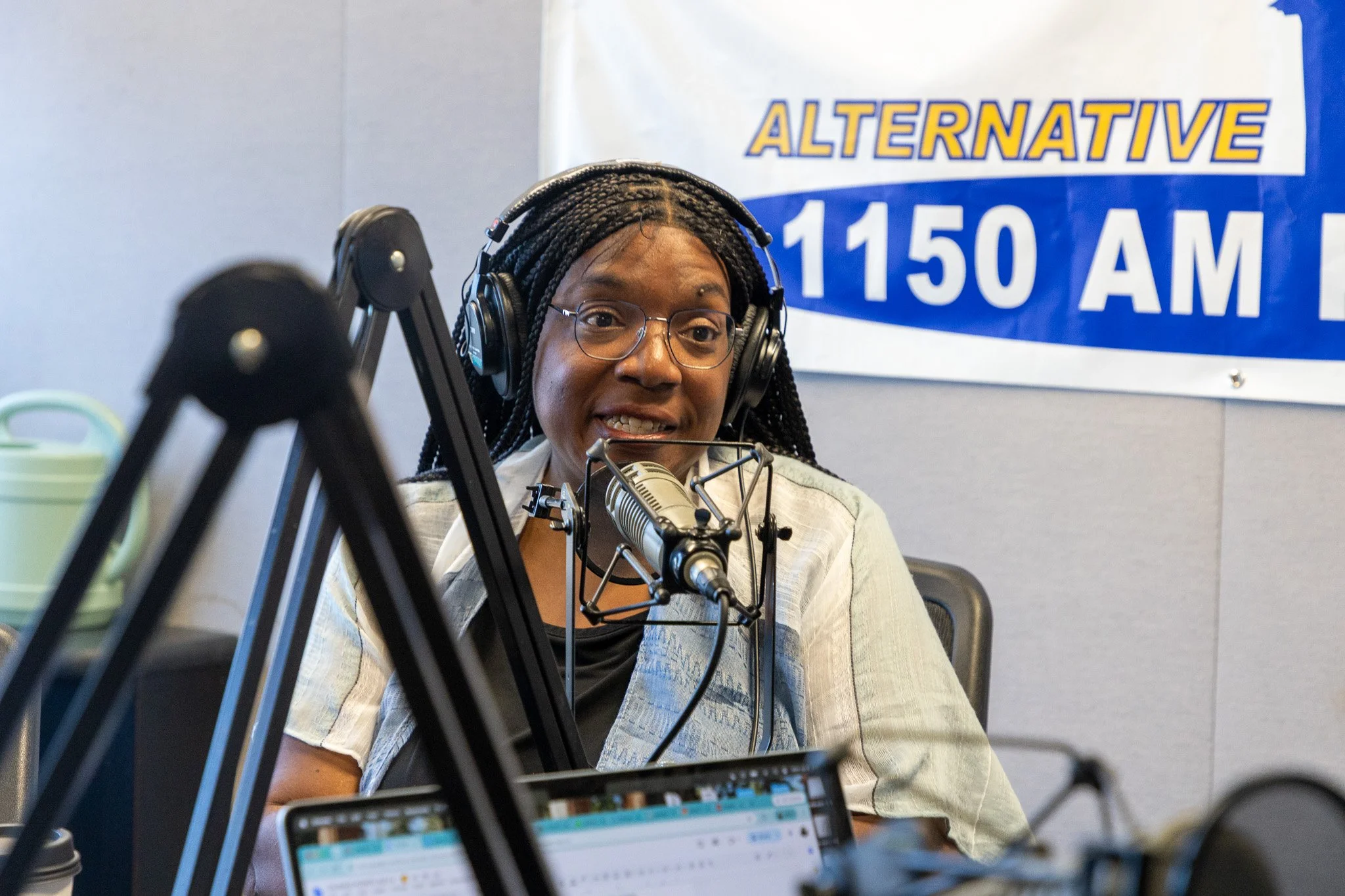
Alicia Crank sits in the 1150 AM KKNW studio on The Mother’s Justice Show earlier this week. (Photo: Erik Kalligraphy)
On a recent episode of The Mother’s Justice Show, host Omari Salisbury sat down with local community leader, consultant, and self-described sports junkie Alicia Crank. Their conversation pulled back the curtain on the reality of Black leaders navigating traditionally white institutional spaces.
Crank, who serves as the Senior Manager of Corporate and Institutional Philanthropy at the Seattle Opera and the "Connector-in-Chief" at Crank’d Up Consulting, didn't hold back. Together, she and Salisbury dug deep into the risks and rewards of breaking ground where systems weren't designed for Black faces.
Breaking Boundaries from Corporate Banking to the Arts
Crank’s trajectory is a case study in resilience. From her earliest white-collar days spending a decade in institutional corporate trust banking where she routinely traded anywhere from $1 million to $100 million daily, she was hit with the exhausting assumptions of implicit bias.
"Everyone would say, 'Oh, you must be a teller,'" Crank said, pointing out that even when moving into the non-profit sector as a two-time Executive Director, she faced whispers that she was merely a "diversity hire" until she brought out the receipts of her experience.
Her knack for corporate philanthropy and institutional scrutiny frequently unsettled peers who didn't expect a Black woman to wield that kind of business acumen. "Leadership means having to make uncomfortable decisions," Crank said.
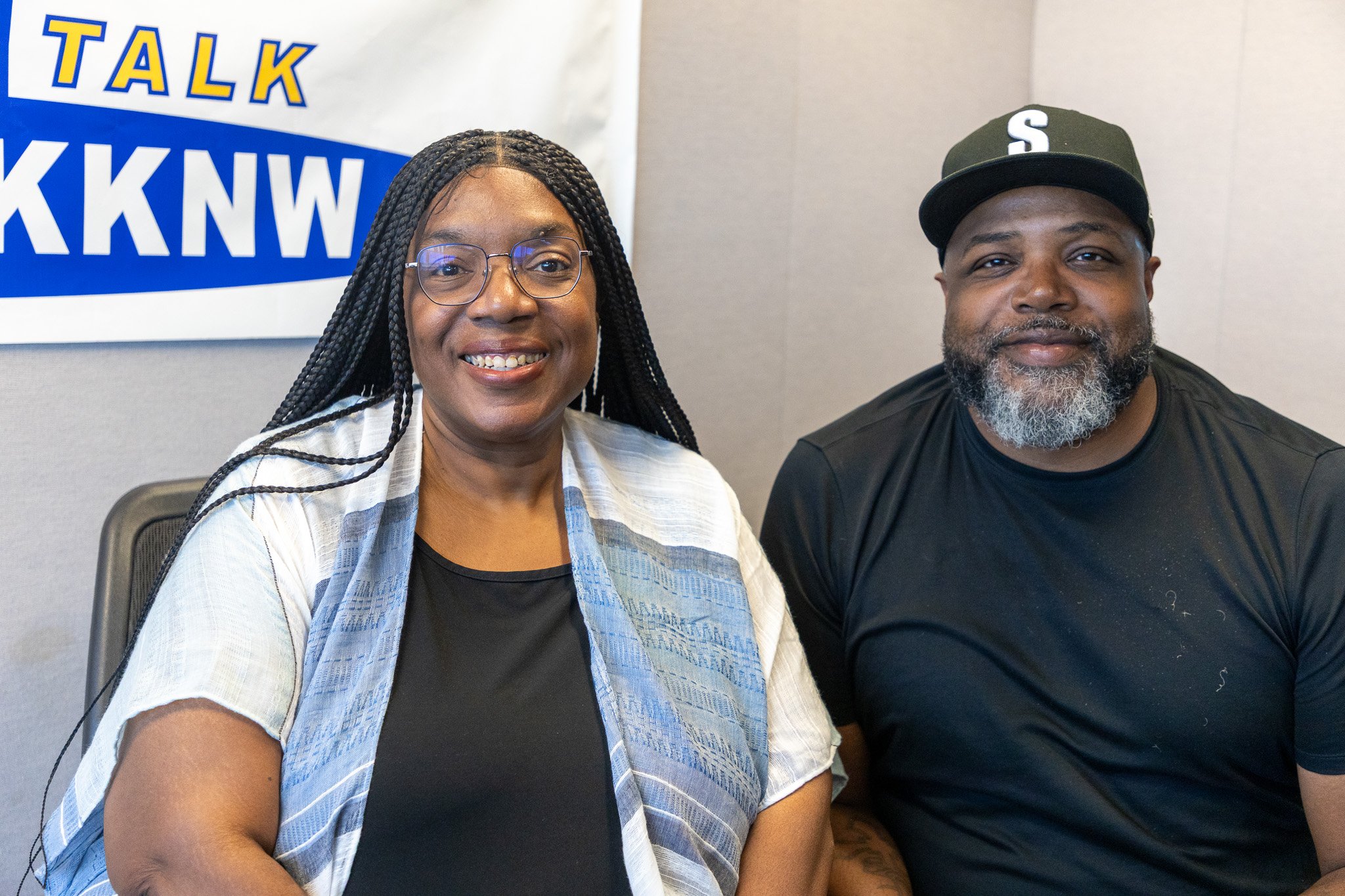
Alicia Crank (left) and Omari Salisbury (right) pose in the Hubbard Radio Seattle studio earlier this week. (Photo: Erik Kalligraphy)
The Heavy Burden of "Black Cover" and Board Fatigue
Crank touched upon a feeling shared deeply by both her and Salisbury: leadership fatigue.
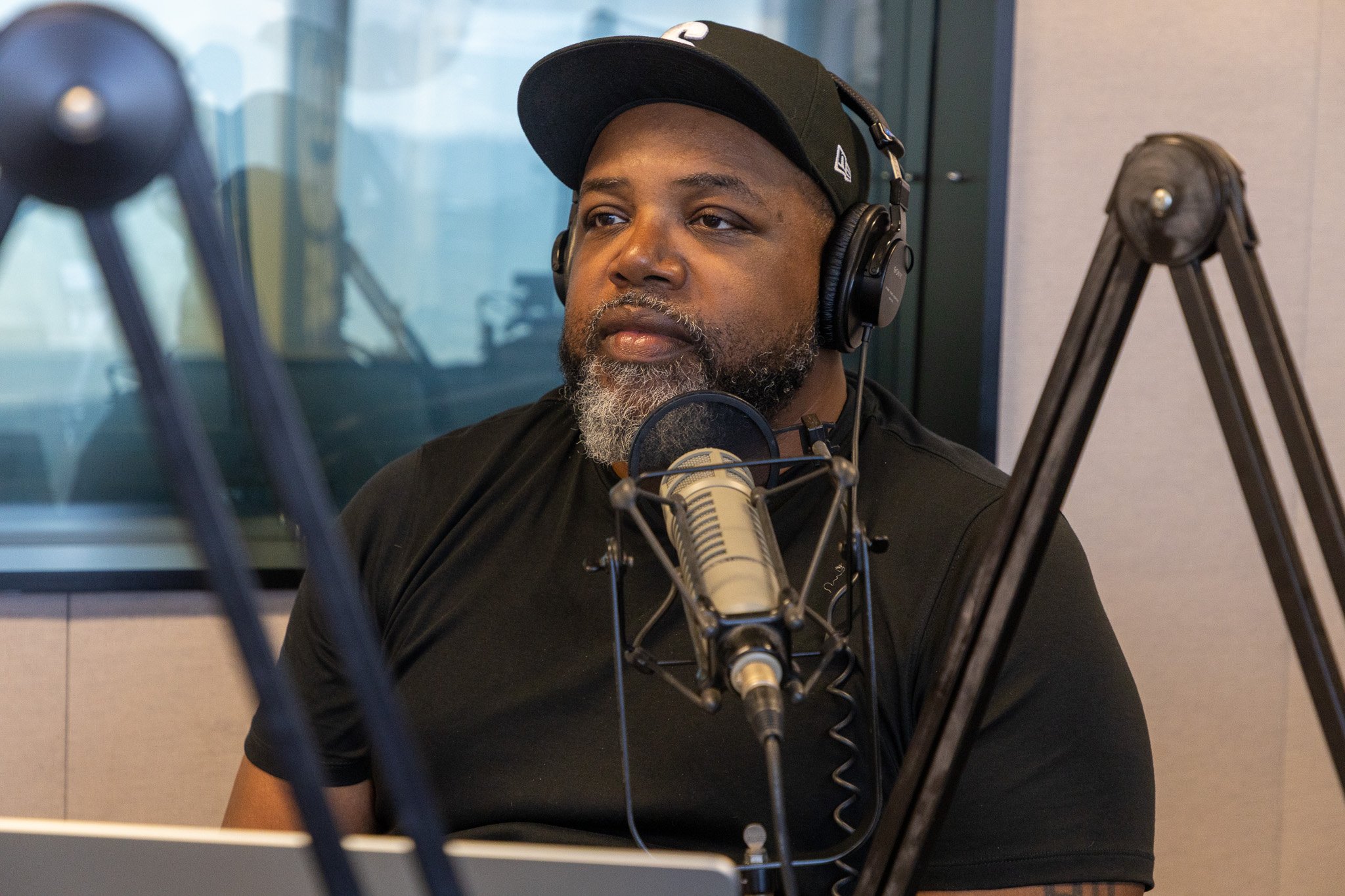
Salisbury opened up about his own exhaustion with being roped into organizations just to give them a stamp of equity cover or being pigeonholed as the resident PR firefighter whenever a Black-related crisis emerged.
"You get tired of just being the Black guy who’s giving the Black perspective," Salisbury said, commending Crank for continuing to show up.
Crank also admitted her exhaustion: "I am fatigued." She noted the steep emotional tax of navigating solo entry into white spaces, detailing the risk of constant self-doubt that these environments breed, contrasted against the frustrating reality of organizations that want your diversity tick-mark but ignore your strategic input.
"You’re either the check mark on a box... or you’re the pack mule and the workhorse," Crank said, validating the unseen weight carried by Black women leaders.
Changing the Game from the Ground Level
Despite the exhaustion, Crank’s track record highlights why stepping into non-traditional rooms matters. Rejecting the default advice to only join "diversity committees," Crank chose to serve on the Edmonds Planning Board for nearly six years. She used that platform to directly influence land use and zoning, the invisible gatekeepers of affordable housing.
Her expertise subsequently landed her a spot as one of 12 members (and the only Black person) on the Snohomish County Airport Commission in 2018–2019, eventually becoming the Chair. There, she single-handedly guided the commission through complex environmental land surveying because she was the only member who understood the land-use frameworks. This path eventually elevated her to the state level on the Washington Commercial Aviation Work Group.
"Minorities... need to be in those spaces so they can be representative and give real-life feedback," Crank said.
Joy, Sports, and Cultural Intersections
To survive the structural battles, Crank has intentionally pivoted toward "finding joy." Her involvement with the Seattle Sports Commission over the last three years has allowed her to help orchestrate massive city triumphs, including the ongoing FIFA World Cup events in Seattle.
Crank also shared a behind-the-scenes story regarding acclaimed Black opera singer J’Nai Bridges. Leveraging her dual roles at the Seattle Opera and the Seattle Sports Commission, Crank helped book Bridges to sing the National Anthem at the Seattle Storm’s home opener within 48 hours of learning it was the artist's dream.
Looking ahead, Crank is turning her eyes toward content creation and women's sports empowerment. She announced exclusive breaking news on the show: she has been selected as one of only five official content creators globally to attend Flavor Flav’s upcoming "She Weekend" in Las Vegas, celebrating the prowess of women athletes.
A New Chapter of Radical Self-Care
As the interview wrapped up, Crank defined her current philosophy on survival: unapologetic boundaries. Identifying as an "extroverted introvert," she noted that when she goes home, the blackout curtains close and the phone stays off.
"Selfishness is a form of self-care," Crank said. "I’m doing it because I want to do it, not because I'm trying to necessarily set an example for others anymore. If it's going to be more harm than good... then deuces."
Follow Crank's journey and check out upcoming community initiatives and youth camps at the Seattle Opera by connecting with her on social media at @AliciainEdmonds.
Listen to Crank’s full episode of The Mother’s Justice Show here.
Tune in to The Mother’s Justice Show Mondays from 2 p.m. to 3 p.m. on 1150 AM KKNW.
Looking to book a space for your upcoming event? Check out Colman Commons for all your event space needs at colmancommons.com